
Loading...
Loading...
Explore in-depth content about learning Chinese characters, from basic strokes to advanced techniques, to help you master Chinese writing better.

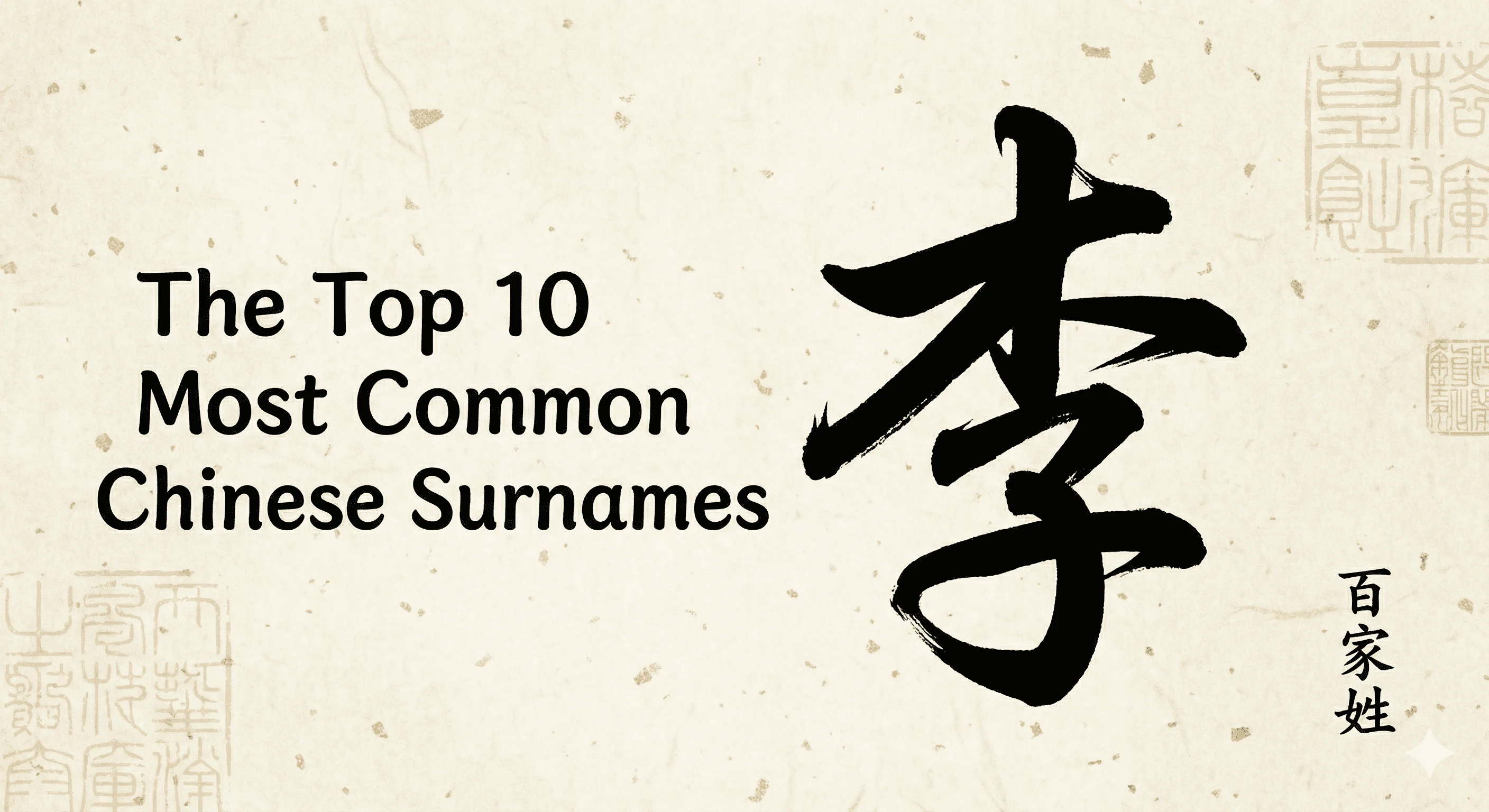
Have you ever wondered why there seem to be so many people named "Lee" or "Wang"? In China, there is a famous expression: "Lǎobǎixìng" (老百姓), which literally means "The Old Hundred Names." It's a term used to refer to ordinary people, but it stems from the fact that a small group of surnames covers a massive portion of the population. Unlike in English, where surnames are incredibly diverse (Smith, Johnson, Miller...), in China, the top 100 surnames cover about 85% of the population. In this guide, we'll explore the most common Chinese surnames, what they literally mean, and most importantly for learners—how to write them with the correct stroke order.

Many Chinese learners only know how to say 'Ni Hao' (Hello). However, in the daily life of Chinese people, this word often sounds too formal or distant. If you want to sound more like a native speaker, you need to master authentic greetings for different scenarios. This article will introduce you to the 10 most authentic ways to say hello in Chinese, helping you better integrate into Chinese culture.

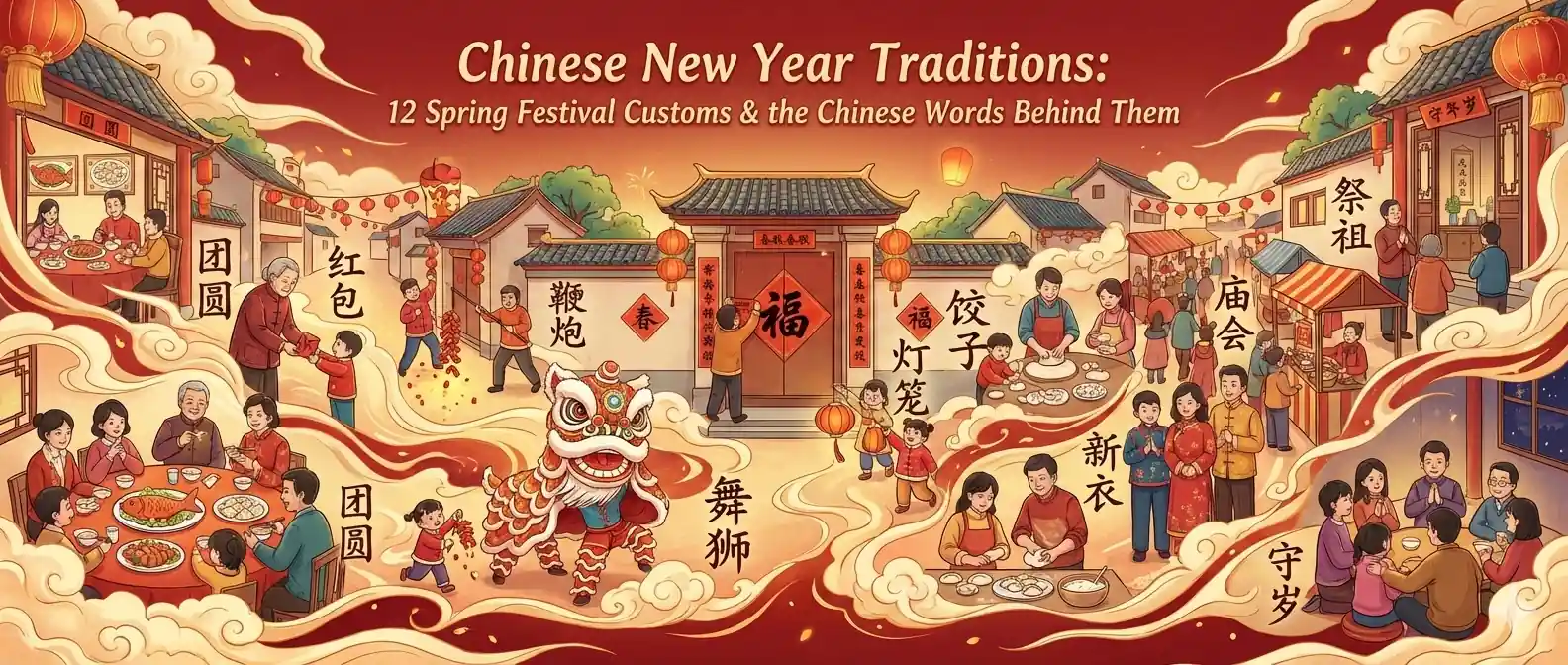
Chinese New Year, also known as Spring Festival (春节), is the most important traditional holiday in Chinese culture. Learning to write the essential characters associated with this celebration not only helps you understand the cultural significance but also provides an excellent opportunity to practice Chinese character writing. This article introduces the most important Chinese New Year characters, complete with stroke order animations and cultural context.

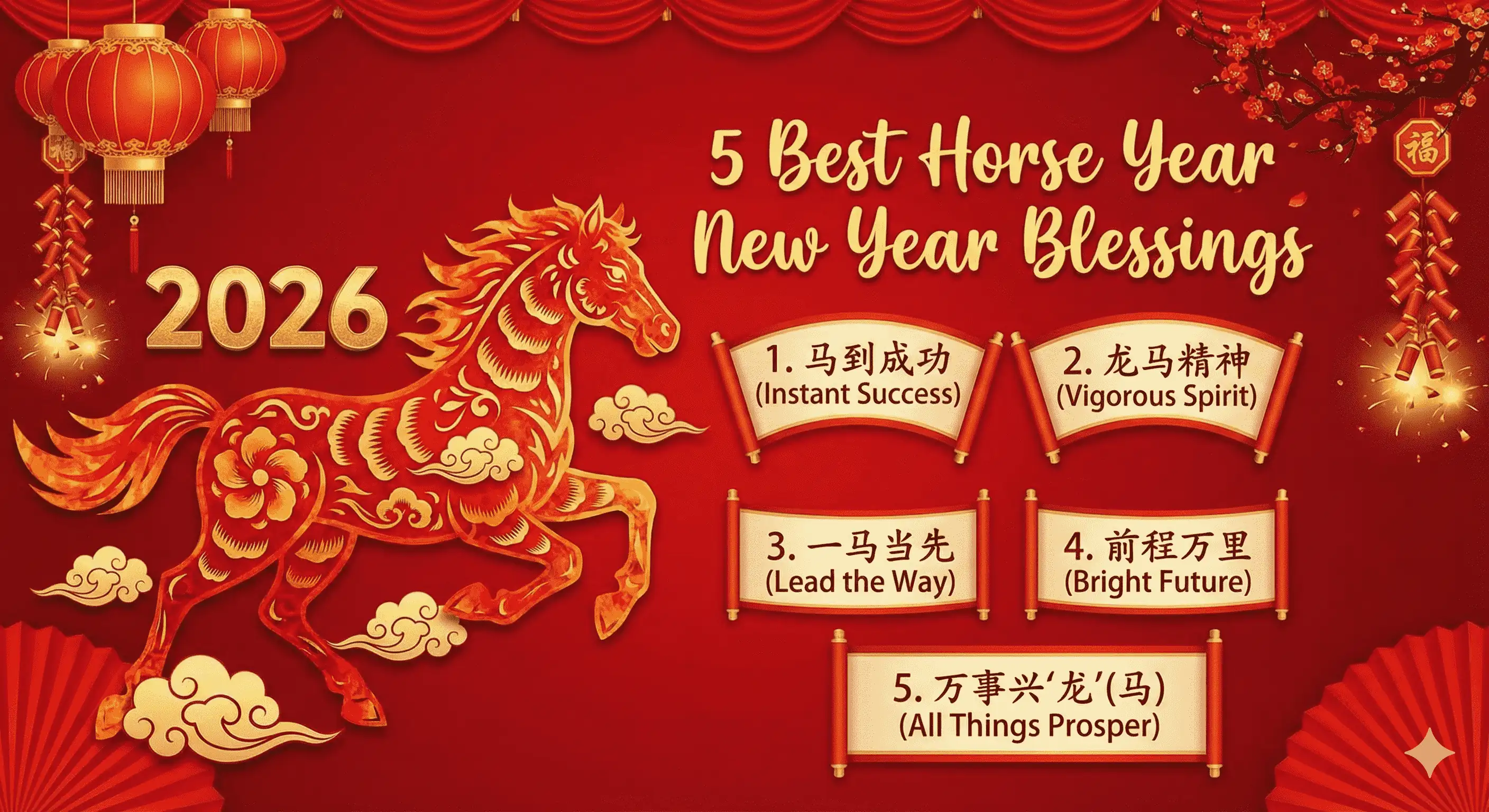
As the Year of the Horse arrives, choosing the right blessings not only expresses your sentiments but also conveys beautiful meanings. This article introduces 5 of the most classic and popular Horse Year blessings, each with dynamic stroke order demonstrations to help you learn Chinese character writing. Each blessing includes detailed meaning explanations, suitable recipients, and practical example sentences, so you can find the most appropriate blessing for different occasions.

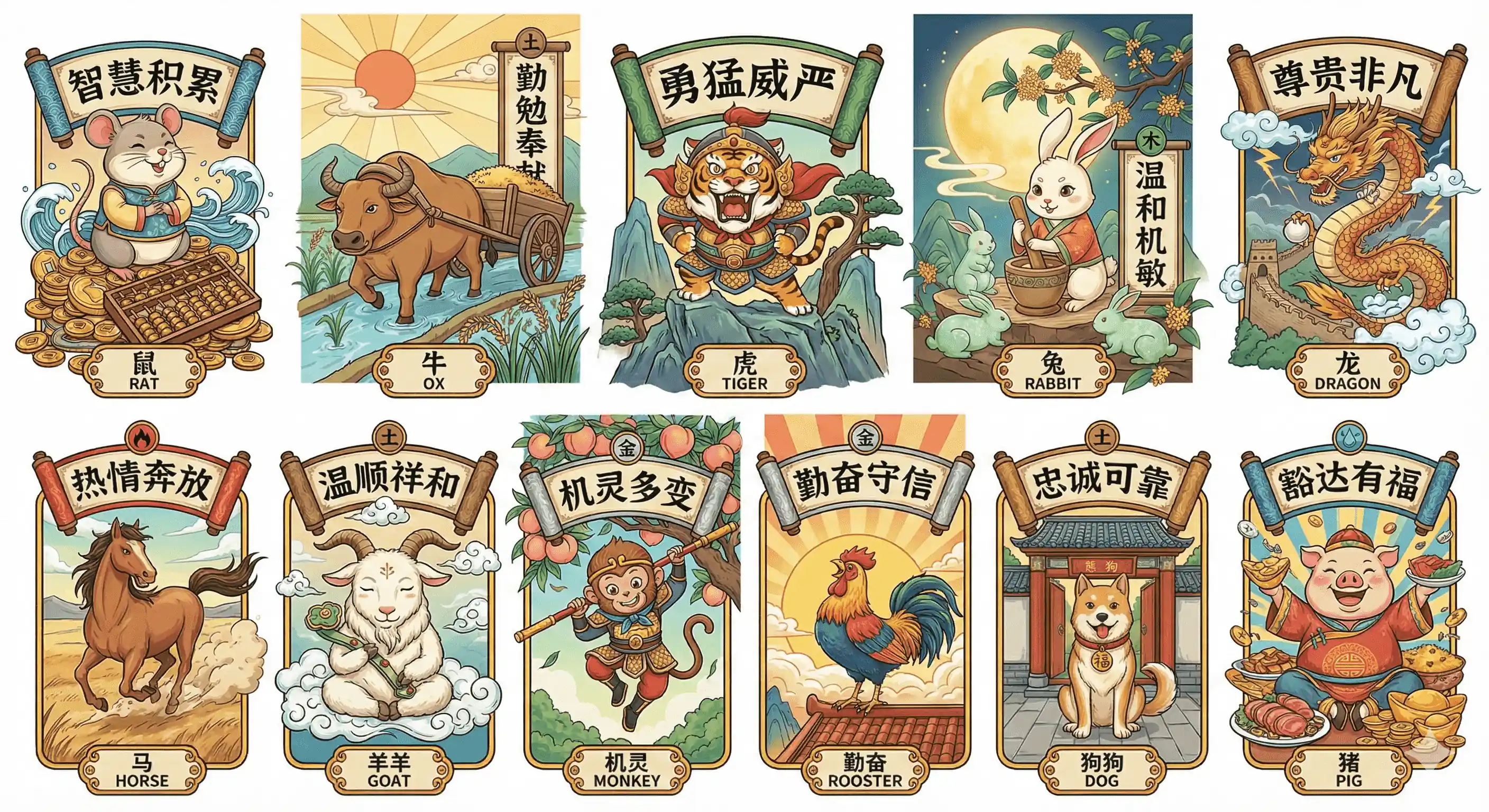
The Chinese Zodiac, also known as Shengxiao, is an important part of traditional Chinese culture. It uses twelve animals to represent years, cycling every twelve years. These twelve animals are: Rat, Ox, Tiger, Rabbit, Dragon, Snake, Horse, Goat, Monkey, Rooster, Dog, and Pig. Learning about the Chinese Zodiac not only helps you understand traditional Chinese culture, but also allows you to learn Chinese character writing through these twelve characters. This article will introduce the characteristics of each zodiac animal in detail and help you master the writing of these characters through dynamic stroke order demonstrations. At the end of the article, we also provide a zodiac calculator where you can select your birth date to quickly find your zodiac sign.

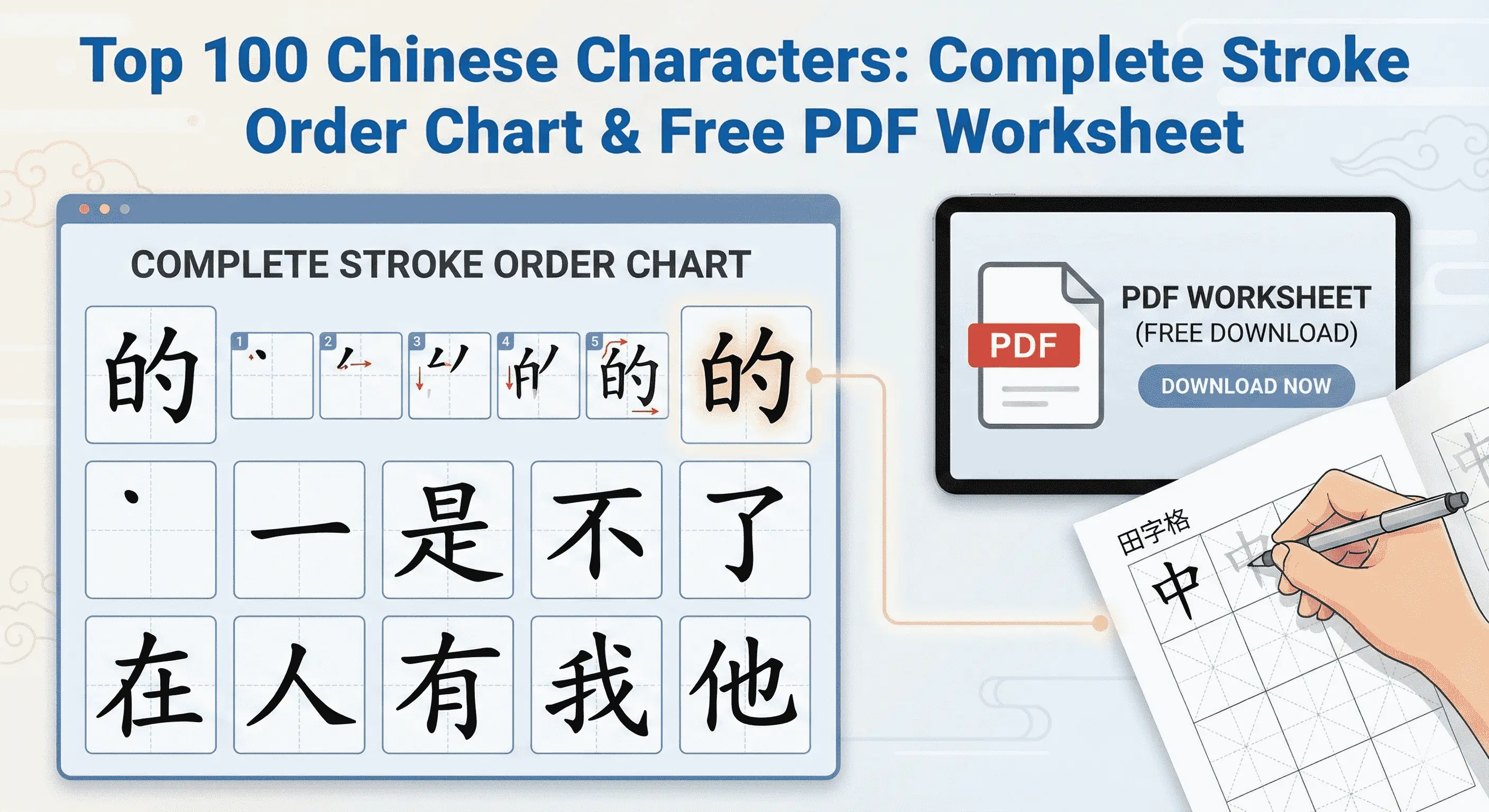
Master the most essential Chinese characters with our comprehensive stroke order chart. These 100 characters cover approximately 42% of all written Chinese text, making them the foundation of Chinese literacy. Each character includes stroke order animation, pinyin pronunciation, English meaning, and direct links to interactive practice tools. Download our free PDF worksheet to practice offline, or use our online interactive tool for real-time feedback. No login required—completely free access to all resources.

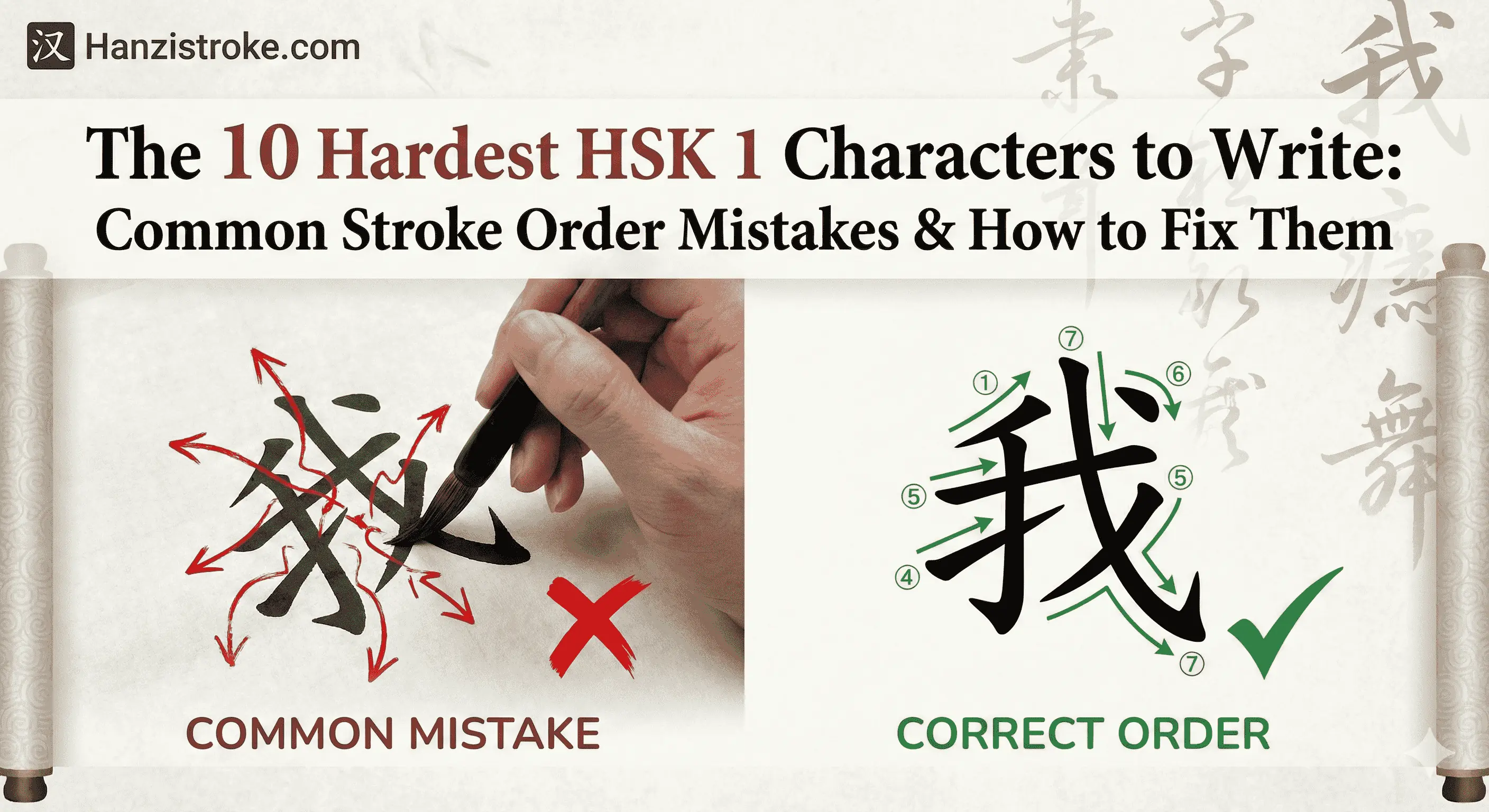
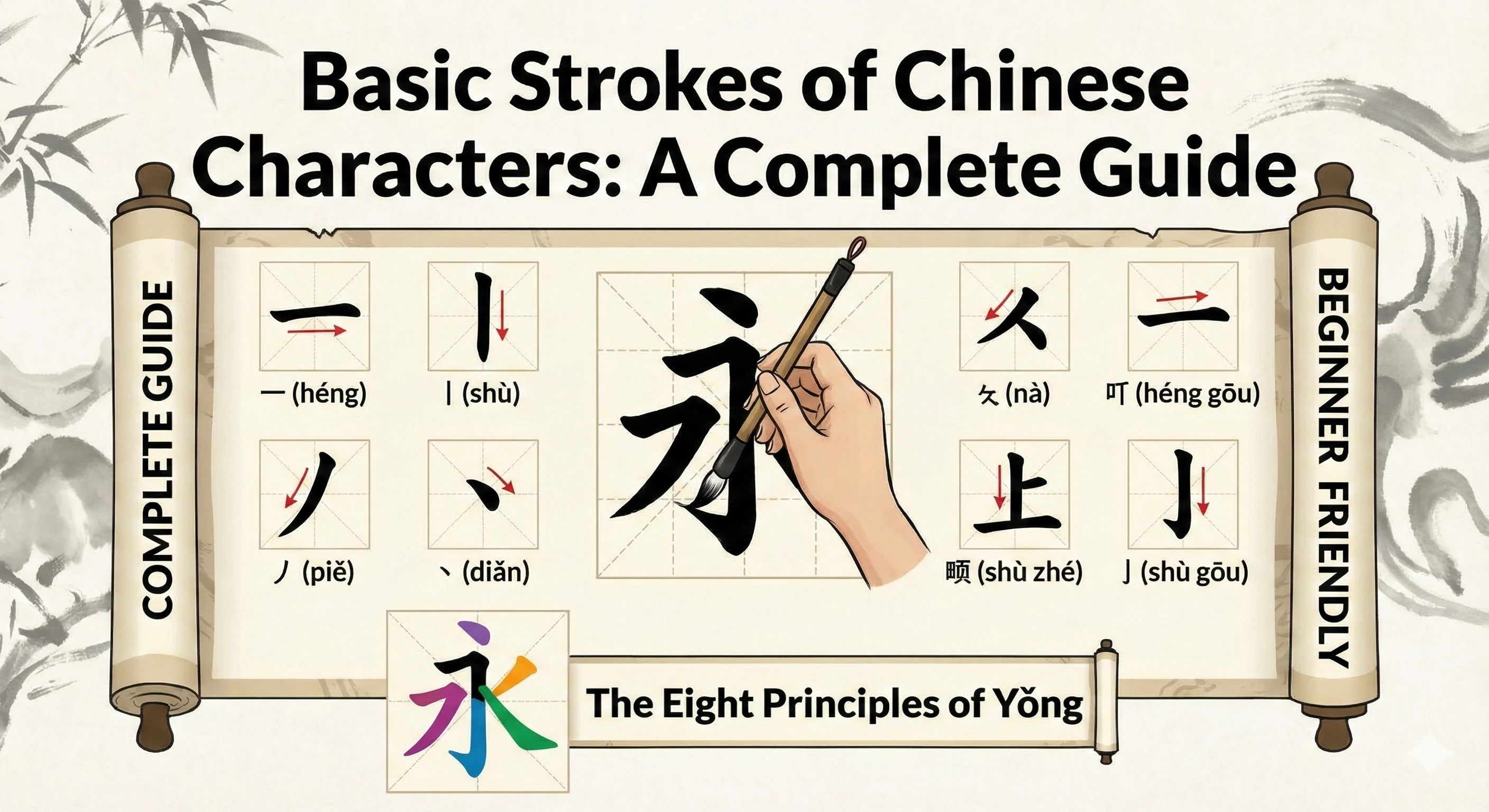
Have you ever looked at a Chinese character and felt overwhelmed? You see complex shapes, but don't know where to start? The secret to mastering Chinese writing lies in understanding the eight basic strokes that form the foundation of every character. In this comprehensive guide, we'll break down each stroke with clear examples and interactive demonstrations, giving you the tools you need to write Chinese characters with confidence.

You've mastered Pinyin, but when you open a Chinese book, you still feel like you're staring at a wall of impenetrable symbols. It's frustrating to recognize the sound but not the meaning. The problem? You're treating reading as a passive skill. The solution? Active Recall. This guide covers the best graded resources and a simple 20-minute routine that uses stroke order practice to lock characters into your long-term memory.