
Chinese Handwriting Guide: Stroke Order Rules & Practice

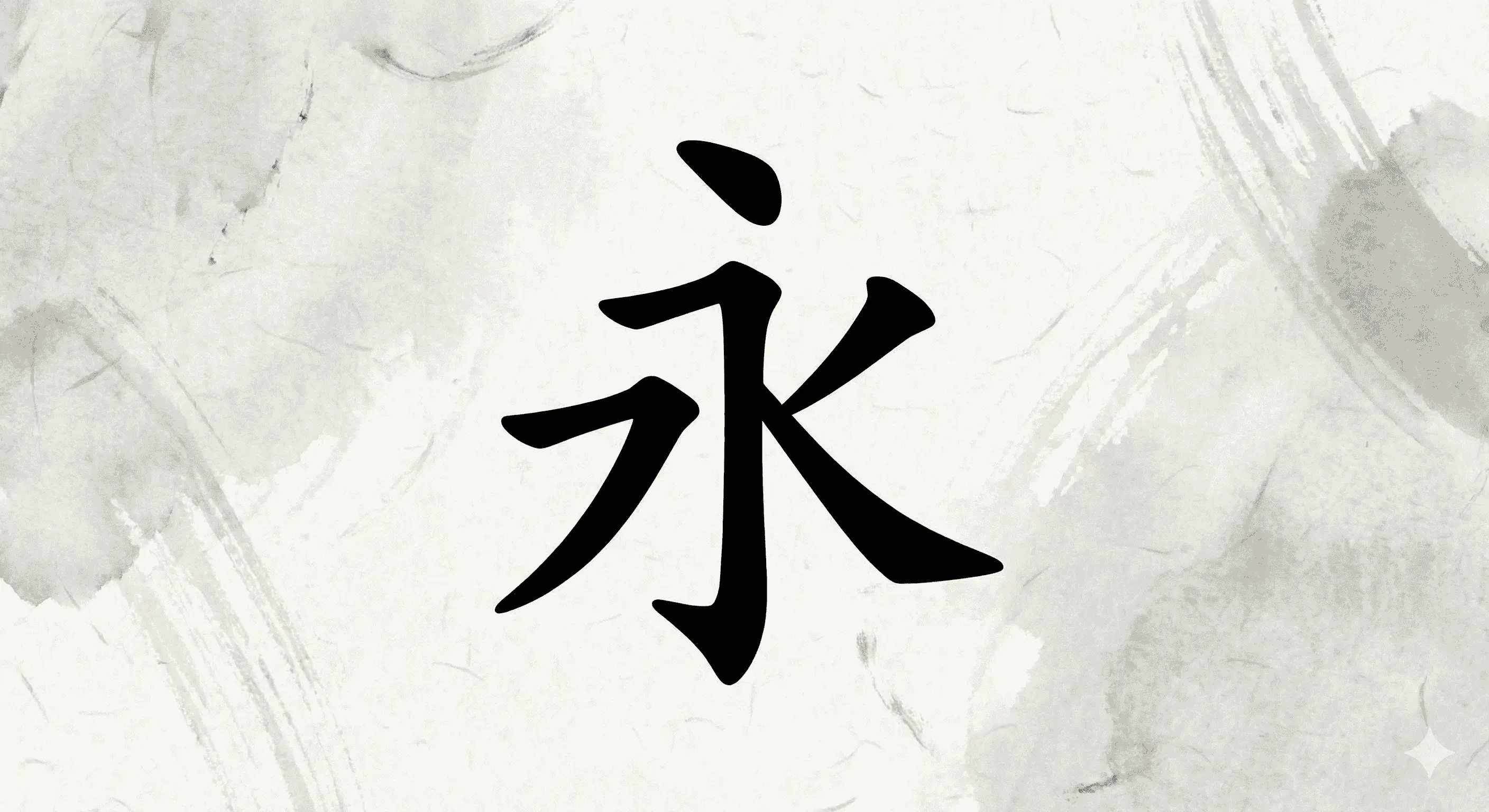
You've mastered Pinyin, but when you open a Chinese book, you still feel like you're staring at a wall of impenetrable symbols. It's frustrating to recognize the sound but not the meaning.
The problem? You're treating reading as a passive skill. The solution? Active stroke-by-stroke writing practice. This guide covers the best graded resources and a proven 20-minute routine that uses interactive stroke order animations to lock characters into your long-term memory through muscle memory.
- •What You'll Learn:
- •Why handwriting outperforms passive recognition by 3x for retention
- •A proven 20-minute daily routine backed by cognitive science
- •Common mistakes that create bad habits (and how to fix them)
- •The best tools and resources for systematic practice
Why Reading Isn't Enough: The Science Behind Handwriting
You can't learn to swim just by watching videos. Similarly, you can't master Chinese characters just by staring at them. Visual recognition is passive; handwriting with correct stroke order is active learning.
The Science: Motor Memory and Character Retention
Research from the University of Stavanger (Norway) and other institutions has consistently shown that handwriting engages multiple cognitive pathways that typing or passive reading cannot activate:
| Learning Method | Retention After 1 Week | Brain Areas Activated |
|---|---|---|
| Handwriting | 65-80% | Motor cortex, visual cortex, memory centers |
| Typing | 35-45% | Limited motor activation |
| Reading Only | 15-25% | Visual cortex only |
Source: Studies on handwriting vs. typing for learning new scripts (Longcamp et al., 2008; James & Engelhardt, 2012)
The "Muscle Memory" Connection
When you only look at a character, your brain often ignores the details. But when you write it stroke-by-stroke in the correct order, you force your brain to process:
- •Each individual stroke shape - horizontal, vertical, dot, hook
- •The sequence and direction - following consistent rules
- •The spatial relationships between components
- •The overall character structure - radicals and their positions
Quick Start: Master These 5 Essential Characters
Let's practice with HSK 1 characters you'll encounter in every Chinese text:
| Character | Pinyin | Meaning | Strokes | Key Learning Point |
|---|---|---|---|---|
| 我 | wǒ | I/me | 7 | Left radical before right |
| 你 | nǐ | you | 7 | "亻" (person) written first |
| 好 | hǎo | good | 6 | "女" + "子" = good |
| 是 | shì | is/yes | 9 | Top to bottom structure |
| 不 | bù | no/not | 4 | Horizontal before vertical |
The Proven Workflow:
When you encounter a new character:
- 1.Watch: Use our Stroke Order Tool to see the animation
- 2.Print: Generate a Custom Worksheet
- 3.Write: Practice 10-15 times following the exact stroke order
- 4.Review: Test yourself the next day without looking
Pro Tip: Focus on HSK 1 characters first - these 150 characters appear in over 60% of everyday Chinese text.
Master the Foundation: Basic Strokes & Stroke Order Rules
Before diving into daily practice, you need to understand two foundational concepts: basic strokes and stroke order rules.
The 8 Basic Strokes
Every Chinese character is built from just 8 fundamental stroke types. These are the "alphabet" of Chinese writing:
| Stroke | Chinese | Name | Example |
|---|---|---|---|
| 一 | 横 | Horizontal (héng) | 一, 二 |
| 丨 | 竖 | Vertical (shù) | 十, 中 |
| 丿 | 撇 | Left-falling (piě) | 人, 大 |
| 乀 | 捺 | Right-falling (nà) | 人, 文 |
| 丶 | 点 | Dot (diǎn) | 火, 心 |
| ノ | 提 | Rising (tí) | 地, 打 |
| 亅 | 钩 | Hook (gōu) | 小, 水 |
| 乛 | 折 | Turning (zhé) | 口, 国 |
Basic Strokes of Chinese Characters: A Complete Guide
Key Stroke Order Rules (Quick Reference)
These rules govern the sequence in which strokes are written:
Best Reading Resources for Every Level
Choosing the right material is half the battle. A good rule of thumb: If there are more than 5 unknown words on a page, it's too hard.
| Resource Name | Target Level | Format | Why We Recommend It |
|---|---|---|---|
| Mandarin Companion | Beginner (A1-A2) | Book / E-book | The Gold Standard. Uses only 300-450 unique characters. Perfect for breaking the "I can't read" fear. |
| Du Chinese | All Levels | App | Best for commuters. Features a pop-up dictionary and native human audio. |
| The Chairman's Bao | Intermediate+ | Web / App | News-based articles tailored to HSK levels. Great for learning modern vocabulary. |
| Pleco Document Reader | Advanced | App Tool | The "Swiss Army Knife." Paste any text or ebook here and tap to look up words instantly. |
| Graded Readers | All Levels | Book | Search for "HSK Graded Readers" on Amazon to find books matched exactly to your vocabulary size. |
Matching Your HSK Level to Reading Materials:
| Your Level | Character Knowledge | Best Materials |
|---|---|---|
| HSK 1 | ~150 characters | Children's books, Mandarin Companion Level 1 |
| HSK 2 | ~300 characters | Graded readers, Du Chinese beginner |
| HSK 3 | ~600 characters | Short stories, news for learners |
| HSK 4 | ~1,200 characters | Native content with dictionary |
| HSK 5-6 | ~2,500+ characters | Novels, news, academic texts |
The Integration Strategy:
When reading, don't just passively consume:
- 1.Circle unfamiliar characters
- 2.Look up stroke order on HanziStroke
- 3.Write each new character 5-10 times
- 4.Add to your review list
The 20-Minute Daily Handwriting Routine
Consistency beats intensity. Do this simple loop every day instead of cramming once a week.
This routine is designed based on spaced repetition principles and optimized for busy learners.
Phase 1: The "Gist" Scan (3 minutes)
Read through your text once without stopping. Do not look up words yet.
- •Why? This trains your brain to guess meaning from context - a crucial skill for fluency.
- •Tip: If you're a total beginner, start with HSK 1 character lists rather than full texts.
Phase 2: Deep Dive & Highlight (10 minutes)
Re-read slowly. Circle or highlight unknown characters. Focus on the sentences you didn't understand.
Example sentence from HSK 1 text:
我很好,你呢?(Wǒ hěn hǎo, nǐ ne? - I'm very good, how about you?)
New characters to learn:
| Character | Pinyin | Meaning | Structure | Practice Link |
|---|---|---|---|---|
| 很 | hěn | very | Left "彳" + right "艮" | Practice 很 |
| 呢 | ne | question particle | Left "口" + right "尼" | Practice 呢 |
Phase 3: The "Action" Phase (5 minutes) - The Most Critical Step
Pick 3-5 key characters from your highlights. This is where learning happens.
Step-by-Step Process:
- 1.Open the character page (e.g., 很)
- 2.Watch the stroke order animation 2-3 times
- 3.Notice the stroke sequence and direction
- 4.Download or print a practice worksheet
- 5.Write each character 10-15 times, following the exact stroke sequence
Why? This converts short-term visual recognition into long-term muscle memory through kinesthetic learning.
Phase 4: Rapid Review (2 minutes)
Quickly glance at the characters you wrote yesterday. Can you still write them from memory?
- •Yes → Great! These are "learned"
- •No → Practice 5 more times and review again tomorrow
Weekly Progress Tracker:
| Day | New Characters | Review Characters | Total Practice Time |
|---|---|---|---|
| Mon | 5 | 0 | 20 min |
| Tue | 5 | 5 | 20 min |
| Wed | 5 | 10 | 20 min |
| Thu | 5 | 10 (keep 10 newest) | 20 min |
| Fri | 5 | 10 | 20 min |
| Sat | 0 | 25 (weekly review) | 30 min |
| Sun | Rest or catch-up |
Weekly Result: 25 new characters mastered, 2.5 hours total investment.
Common Stroke Order Mistakes to Avoid
Even advanced learners make these mistakes. Correct them now to build proper muscle memory - fixing bad habits later is much harder.
Mistake #1: Writing "口" (mouth) wrong
This affects hundreds of characters that use 口 as a component:
| Wrong | Correct | Characters Affected |
|---|---|---|
| Vertical strokes first | Left vertical → top horizontal → right vertical-hook → bottom | 吃, 呢, 吗, 哪, 和 |
Mistake #2: Confusing "日" (sun) and "目" (eye)
Both look similar but have different stroke counts and slightly different proportions!
| Character | Strokes | Used In | Practice |
|---|---|---|---|
| 日 | 4 strokes | 早 (early), 时 (time), 明 (bright) | Practice 日 |
| 目 | 5 strokes | 看 (look), 眼 (eye), 睛 (eyeball) | Practice 目 |
Mistake #3: Forgetting the "Inside Before Closing" Rule
Many learners close the box too early:
| Wrong | Correct |
|---|---|
| Draw complete box → add inside | Draw three sides → fill inside → close bottom |
Mistake #4: Wrong Dot Timing
Dots are often written last, not first:
- •太 (tài - too): Write "大" structure first, then add dot
- •犬 (quǎn - dog): Looks like "大" with a dot added last
Self-Check Exercise:
Try writing these 5 characters from memory, then check your stroke order against our animations:
Tools and Materials for Effective Practice
The right tools make practice more effective and enjoyable. Here's what you need for optimal learning.
Essential Digital Tools:
| Tool | Purpose | Link |
|---|---|---|
| Stroke Order Animations | Visual learning & verification | Character Dictionary |
| Worksheet Generator | Print practice sheets | Worksheet Tool |
| HSK Character Lists | Systematic vocabulary building | HSK Levels |
Physical Materials Checklist:
- •Grid Paper (田字格): Essential for maintaining proper proportions
- •Pencil or Brush Pen: Start with pencil, graduate to brush
- •Character Cards: For spaced repetition review
- •Notebook: Dedicated Chinese practice notebook
Practice Sheet Types:
| Sheet Type | Best For | When to Use |
|---|---|---|
| Tracing Sheets | Absolute beginners | First 1-2 weeks |
| Grid with Guide | Learning stroke order | Weeks 2-8 |
| Empty Grid | Building muscle memory | After stroke order mastered |
| Plain Paper | Testing retention | Review sessions |
Browse our HSK writing worksheets for ready-made PDF practice sheets organized by level, or create custom sheets with the Worksheet Generator.
Recommended Daily Practice Setup:
- 1.Open HanziStroke on your device
- 2.Have your printed worksheet ready
- 3.Set a 20-minute timer
- 4.Follow the 4-phase routine above
Progress Tracking:
- •Keep a simple log:
- •Date
- •Characters practiced
- •Characters reviewed
- •Time spent
- •Notes (difficult characters, patterns noticed)
Monthly Milestones:
| Month | Goal | Characters Learned |
|---|---|---|
| Month 1 | Complete HSK 1 basics | ~100 characters |
| Month 2 | Finish HSK 1 | ~150 characters |
| Month 3 | Start HSK 2 | ~200 characters |
| Month 6 | Complete HSK 2 | ~300 characters |
Ready to Start Your Handwriting Journey?
Stop passive reading. Start active, stroke-by-stroke writing practice. Transform visual recognition into permanent muscle memory.
Your Learning Path:
| Step | Action | Resource |
|---|---|---|
| 1 | Learn the 8 basic strokes | Basic Strokes Guide |
| 2 | Practice daily for 20 min | Worksheet Generator |
| 3 | Build HSK vocabulary | HSK 1 Characters |
| 4 | Track your progress | Character Dictionary |
Key Takeaways:
- •Handwriting > Reading for character retention (3x more effective)
- •20 minutes daily beats 2 hours weekly
- •Consistency is more important than intensity
- •Correct habits early - bad stroke order is hard to fix
- •Master basic strokes first - they're the building blocks of all characters
Remember: Every expert started by writing their first stroke. The difference between struggling and fluency is just 20 minutes of daily handwriting practice.
Start Your First Practice Session:
- 1.Learn the basic strokes - Understand the 8 building blocks
- 2.Choose a character to practice - Start with 一 (one)
- 3.Generate your first worksheet
- 4.Practice for 20 minutes today
Frequently Asked Questions
How long does it take to learn Chinese handwriting?
With consistent daily practice of 20 minutes, you can master the 150 HSK Level 1 characters in about 2-3 months. Complete mastery of stroke order rules typically takes 1-2 weeks. Most learners can write common characters confidently after 6 months of regular practice.
Do I need to learn handwriting if I only want to type Chinese?
While not strictly necessary for typing, learning handwriting significantly improves character recognition and memory retention. Studies show that handwriting activates more brain areas than typing, leading to better long-term retention. Even if you primarily type, occasional handwriting practice will make you a better Chinese reader.
What's the difference between stroke order and stroke count?
Stroke count is simply the number of strokes in a character (e.g., 我 has 7 strokes). Stroke order is the specific sequence in which those strokes should be written. Both are important: stroke count helps with dictionary lookup, while stroke order ensures proper character formation and better memory retention.
Why does stroke order matter? Can't I just write the character any way?
Correct stroke order matters for several reasons: (1) It creates better-looking characters with proper balance, (2) It enables faster writing speed once mastered, (3) It improves character recognition and memory, (4) It's essential for reading handwritten Chinese, and (5) It's tested in Chinese proficiency exams like HSK.
Should I use traditional or simplified characters for handwriting practice?
Start with simplified characters if you're learning Mandarin Chinese (used in mainland China, Singapore). Traditional characters are used in Taiwan, Hong Kong, and Macau. The stroke order rules are the same for both systems. Our HanziStroke tool covers both simplified and traditional characters.
What's the best paper for Chinese handwriting practice?
Use '田字格' (tiánzìgé) paper - grid paper with squares divided into four quadrants. This helps maintain proper character proportions and spacing. Start with larger grids (2cm) as a beginner, then progress to smaller grids (1cm) as your control improves. Our worksheet generator creates printable practice sheets with proper grids.
How many characters should I practice each day?
For optimal learning, focus on 3-5 new characters per day with 10-15 repetitions each. Also review 10-15 previously learned characters. Quality matters more than quantity - it's better to thoroughly learn 5 characters than to poorly practice 20. This approach leads to mastering about 100-150 characters per month.
Can I learn Chinese handwriting on a tablet or phone?
Yes, tablets and phones can be useful for learning stroke order through apps and our interactive animations. However, physical writing with pen and paper engages different motor pathways and typically leads to better retention. We recommend using digital tools for learning and reference, but doing actual practice on paper.
Related Resources
Continue Learning
- Master the 8 Basic Chinese Strokes
Essential foundation for all character writing
- Common HSK 1 Stroke Order Mistakes
Fix these errors before they become habits
- 10 Authentic Chinese Greetings with Stroke Order
Learn practical phrases and their characters
Practice Tools
- Stroke Order Worksheet Generator
Create custom practice sheets for any character
- HSK 1 Character Dictionary
150 essential beginner characters with animations
- Full Character Dictionary
Search any character with stroke order
Ready to Start Writing?
Transform your Chinese learning with daily handwriting practice. Start with your first character today.