
Chinese New Year Characters: Stroke Order Guide 2026

HanziStroke TeamNative Chinese speakers & language educators
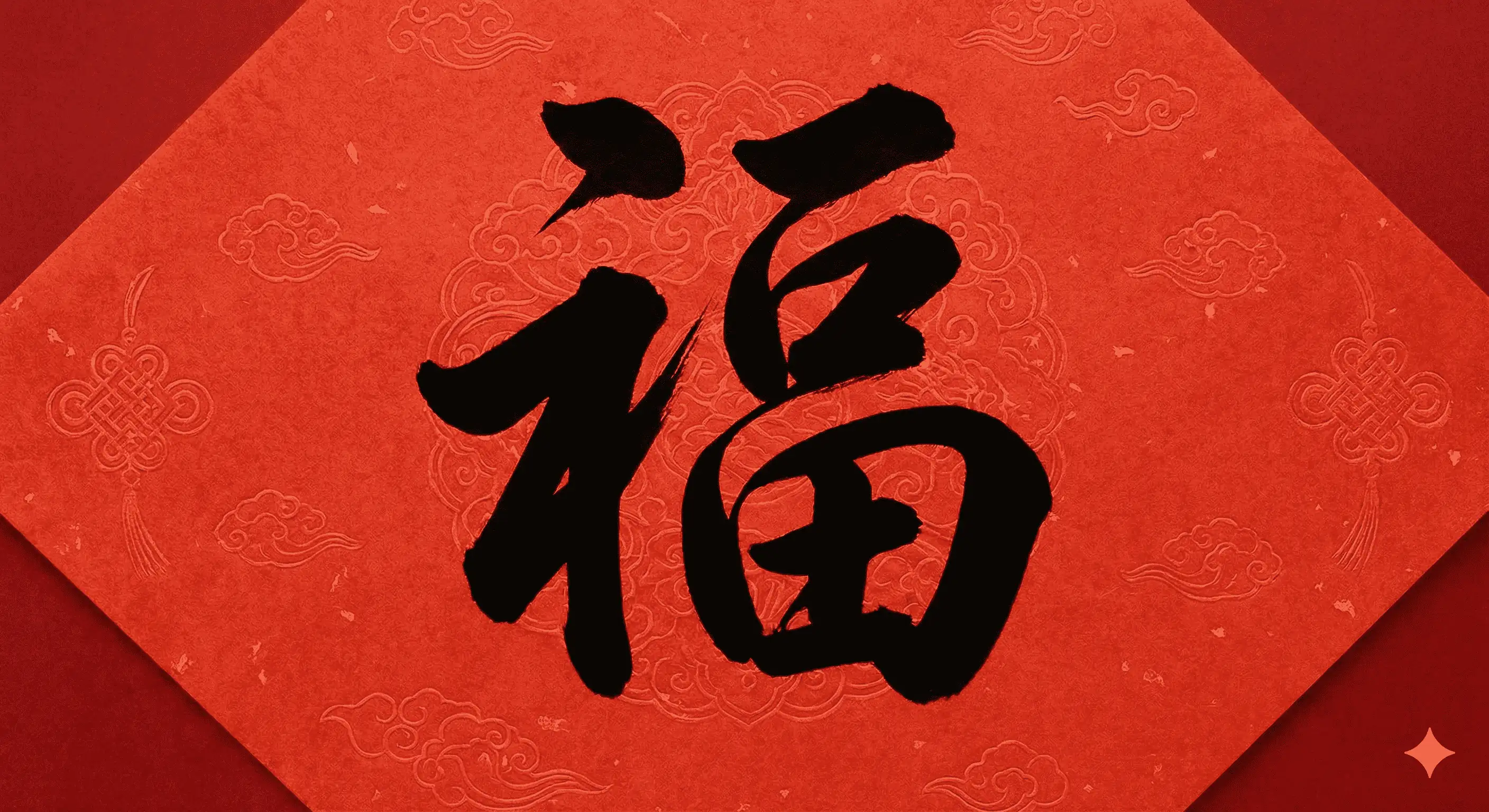
Chinese New Year 2026 (February 17) celebrates the Year of the Fire Horse. Master 8 essential Spring Festival characters with step-by-step stroke order animations, understand their cultural meanings, and write authentic greetings. Perfect for Mandarin learners and anyone creating festive decorations. Includes free printable worksheets.
Table of Contents
Why Master These Spring Festival Characters?
春节 (chūn jié) - Spring Festival is China's most important holiday, and knowing how to write its core characters unlocks cultural depth.What You'll Learn:
✓ Step-by-step stroke order for 8 essential characters
✓ Cultural meanings and New Year traditions
✓ 2026 Year of the Horse special greetings
✓ Free worksheets for handwriting practice2026 Special Context: The Fire Horse (火马 huǒ mǎ) year occurs once every 60 years, making 2026 especially auspicious. We've included horse-themed characters for authentic greetings.More 2026 Content: Complete Horse Year Blessings & Phrases | 2026 Fire Horse Meaning & Luck
✓ Step-by-step stroke order for 8 essential characters
✓ Cultural meanings and New Year traditions
✓ 2026 Year of the Horse special greetings
✓ Free worksheets for handwriting practice2026 Special Context: The Fire Horse (火马 huǒ mǎ) year occurs once every 60 years, making 2026 especially auspicious. We've included horse-themed characters for authentic greetings.More 2026 Content: Complete Horse Year Blessings & Phrases | 2026 Fire Horse Meaning & Luck
1. 福 (Fú) – Fortune (The Most Important Character)
Meaning: Fortune, blessing, happiness – THE symbol of Chinese New Year.How to Write 福: 13 strokes total. Start with 示 (shì - altar radical) on the left (4 strokes), then 畐 (fú - abundance) on the right (9 strokes). The combination means "blessings from heaven."Stroke Count: 13 | HSK Level: 4 | Radical: 示 (altar)Famous Tradition: Hang 福 upside-down! Why? Because 福倒了 (fú dào le - "福 is upside-down") sounds identical to 福到了 (fú dào le - "fortune has arrived"). You'll see this on doors across China every Spring Festival.2026 Horse Year Phrase: 马到福来 (mǎ dào fú lái) – "Fortune arrives with the horse"Master 福 (fú) stroke order with interactive animation

2. 春 (Chūn) – Spring
Meaning: Spring, renewal, new beginnings.How to Write 春: 9 strokes. Top to bottom: 艹 (grass), 日 (sun), then 屯 (sprout). The character literally shows grass growing under the warm sun – the essence of spring!Stroke Count: 9 | HSK Level: 4 | Radical: 日 (sun)Cultural Significance: "Spring Festival" is 春节 (chūn jié) in Chinese. This character appears on:
• 春联 (chūn lián) - Spring couplets hung on doorframes
• Red paper decorations
• New Year cards and giftsCommon Greetings:
• 新春快乐 (xīn chūn kuài lè) - Happy New Spring
• 春风得意 (chūn fēng dé yì) - Riding the spring breeze (idiom for success)Learn 春 (chūn) stroke-by-stroke

• 春联 (chūn lián) - Spring couplets hung on doorframes
• Red paper decorations
• New Year cards and giftsCommon Greetings:
• 新春快乐 (xīn chūn kuài lè) - Happy New Spring
• 春风得意 (chūn fēng dé yì) - Riding the spring breeze (idiom for success)Learn 春 (chūn) stroke-by-stroke
3. 马 (Mǎ) – Horse (2026 Zodiac Star)
Meaning: Horse – the zodiac animal for 2026.How to Write 马: Only 3 strokes (simplified Chinese), making it perfect for beginners! Traditional form 馬 has 10 strokes. The simplified version still captures the horse's mane and legs.Stroke Count: 3 (simplified) / 10 (traditional) | HSK Level: 1 | Radical: 马 (horse)2026 Significance: Horse represents energy, freedom, and success in Chinese culture. Fire Horse (火马) people are known for passion, independence, and charisma.Essential 2026 Phrases:
• 马年大吉 (mǎ nián dà jí) - Great fortune in Horse Year
• 一马当先 (yī mǎ dāng xiān) - Leading the charge (idiom)
• 龙马精神 (lóng mǎ jīng shén) - Spirited and vigorousPractice writing 马 (mǎ) with stroke order

• 马年大吉 (mǎ nián dà jí) - Great fortune in Horse Year
• 一马当先 (yī mǎ dāng xiān) - Leading the charge (idiom)
• 龙马精神 (lóng mǎ jīng shén) - Spirited and vigorousPractice writing 马 (mǎ) with stroke order
4. 年 (Nián) – Year
Meaning: Year, representing the passage of time and harvest.How to Write 年: 6 strokes. Originally depicted a person carrying grain, symbolizing a successful harvest year.Stroke Count: 6 | HSK Level: 1 | Radical: 干 (shield)Mythical Origin: According to legend, 年 was a fierce beast that appeared on New Year's Eve. Villagers discovered it feared the color red and loud noises – hence the tradition of red decorations and firecrackers!Common Uses:
• 新年 (xīn nián) - New Year
• 过年 (guò nián) - Celebrate New Year
• 拜年 (bài nián) - Pay New Year visit
• 年夜饭 (nián yè fàn) - Reunion dinner (New Year's Eve)View 年 (nián) animated stroke order

• 新年 (xīn nián) - New Year
• 过年 (guò nián) - Celebrate New Year
• 拜年 (bài nián) - Pay New Year visit
• 年夜饭 (nián yè fàn) - Reunion dinner (New Year's Eve)View 年 (nián) animated stroke order
5. 财 (Cái) – Wealth
Meaning: Wealth, money, prosperity.How to Write 财: 7 strokes. Left side: 贝 (bèi - shell, ancient currency). Right side: 才 (cái - talent). Together: "wealth through ability."Stroke Count: 7 | HSK Level: 3 | Radical: 贝 (shell/money)Most Famous Greeting: 恭喜发财 (gōng xǐ fā cái) - "Congratulations and be prosperous!" This is THE greeting you'll hear everywhere during Spring Festival, especially in Cantonese-speaking regions.Money God Connection: 财神 (cái shén) - God of Wealth. Many families display his image during New Year to invite prosperity.2026 Business Blessing: 马上发财 (mǎ shàng fā cái) - "Get rich immediately" (literally "on horseback get rich")Master 财 (cái) stroke order

6. 喜 (Xǐ) – Joy/Happiness
Meaning: Joy, happiness, celebration.How to Write 喜: 12 strokes. The character combines 壴 (drum) and 口 (mouth), originally depicting the joyful sound of drumming and singing.Stroke Count: 12 | HSK Level: 4 | Radical: 口 (mouth)Double Happiness: 囍 (double 喜) is the ultimate wedding symbol, but single 喜 is perfect for New Year celebrations.Visual Tradition: Red paper cutouts of 喜 are popular New Year decorations, symbolizing joy for the year ahead.Common Phrases:
• 欢天喜地 (huān tiān xǐ dì) - Boundless joy
• 喜气洋洋 (xǐ qì yáng yáng) - Full of jubilationPractice 喜 (xǐ) stroke-by-stroke

• 欢天喜地 (huān tiān xǐ dì) - Boundless joy
• 喜气洋洋 (xǐ qì yáng yáng) - Full of jubilationPractice 喜 (xǐ) stroke-by-stroke
7. 吉 (Jí) – Auspicious/Lucky
Meaning: Auspicious, lucky, propitious – represents good omens.How to Write 吉: Only 6 strokes! Perfect for beginners. Top: 士 (scholar), bottom: 口 (mouth). Originally meant "auspicious words."Stroke Count: 6 | HSK Level: 3 | Radical: 口 (mouth)Why Beginners Love It: Simple structure, meaningful significance, and appears in many powerful New Year phrases.Essential Greetings:
• 大吉大利 (dà jí dà lì) - Great fortune and smooth sailing
• 吉星高照 (jí xīng gāo zhào) - Lucky star shining bright
• 吉祥如意 (jí xiáng rú yì) - Auspicious and as you wish2026 Special: 马年吉祥 (mǎ nián jí xiáng) - Auspicious Horse YearLearn 吉 (jí) stroke order

• 大吉大利 (dà jí dà lì) - Great fortune and smooth sailing
• 吉星高照 (jí xīng gāo zhào) - Lucky star shining bright
• 吉祥如意 (jí xiáng rú yì) - Auspicious and as you wish2026 Special: 马年吉祥 (mǎ nián jí xiáng) - Auspicious Horse YearLearn 吉 (jí) stroke order
8. 团 (Tuán) – Reunion/Unity
Meaning: Reunion, togetherness, unity – the soul of Spring Festival.How to Write 团: 6 strokes (simplified). Traditional form 團 has 14 strokes. Left radical: 囗 (enclosure), representing people gathered together.Stroke Count: 6 (simplified) / 14 (traditional) | HSK Level: 3 | Radical: 囗 (enclosure)Cultural Heartbeat: 团圆 (tuán yuán - reunion) is THE theme of Chinese New Year. Millions travel across China and the world to reunite with family for 年夜饭 (reunion dinner).Food Connection: 汤圆 (tāng yuán) - sweet rice balls eaten during Lantern Festival. The round shape symbolizes family unity and completeness.Emotional Phrase: 千里迢迢,只为团圆 (qiān lǐ tiáo tiáo, zhǐ wèi tuán yuán) - "Traveling thousands of miles, all for reunion"Master 团 (tuán) stroke order

Complete 2026 New Year Greetings to Practice
Now that you've learned individual characters, practice writing these authentic 2026 greetings:Universal Greetings:新年快乐(xīn nián kuài lè) - Happy New Year
恭喜发财(gōng xǐ fā cái) - Wishing you prosperity
2026 Horse Year Specials:马年大吉(mǎ nián dà jí) - Great fortune in Horse Year
马到成功(mǎ dào chéng gōng) - Immediate success ("success arrives on horseback")
万事如意(wàn shì rú yì) - May everything go as you wish
For complete 2026 blessings: See our full Horse Year Greetings collection
How to Practice: 3-Step Method
Step 1: Watch & Trace
Use the stroke order animations above. Watch each character 3-5 times, paying attention to stroke direction and sequence.Step 2: Generate Practice Worksheets
Create custom worksheets with your chosen characters:Generate Free Chinese Writing WorksheetsRecommended practice set: 春福马年财喜吉团Step 3: Write Daily
• Aim for 10-20 repetitions per character
• Start with simple ones (马 吉 团) before complex (福 喜)
• Practice writing full phrases, not just individual charactersPro Tip: Write New Year couplets (春联) as homework! Traditional format:
• Right side (first line): 7 characters
• Left side (second line): 7 characters
• Top horizontal scroll (横批): 4 charactersExample 2026 couplet:
• Right: 春风得意马蹄疾 (Spring breeze success, horse hooves swift)
• Left: 岁月无忧福满门 (Years worry-free, fortune fills the door)
• Top: 马年大吉 (Horse Year Great Fortune)
Use the stroke order animations above. Watch each character 3-5 times, paying attention to stroke direction and sequence.Step 2: Generate Practice Worksheets
Create custom worksheets with your chosen characters:Generate Free Chinese Writing WorksheetsRecommended practice set: 春福马年财喜吉团Step 3: Write Daily
• Aim for 10-20 repetitions per character
• Start with simple ones (马 吉 团) before complex (福 喜)
• Practice writing full phrases, not just individual charactersPro Tip: Write New Year couplets (春联) as homework! Traditional format:
• Right side (first line): 7 characters
• Left side (second line): 7 characters
• Top horizontal scroll (横批): 4 charactersExample 2026 couplet:
• Right: 春风得意马蹄疾 (Spring breeze success, horse hooves swift)
• Left: 岁月无忧福满门 (Years worry-free, fortune fills the door)
• Top: 马年大吉 (Horse Year Great Fortune)
Frequently Asked Questions
When is Chinese New Year 2026?
February 17, 2026. The Spring Festival celebration lasts 15 days, ending with the Lantern Festival on March 3, 2026.How do you write 福 upside-down?
Just rotate the character 180°! The tradition stems from the pun: 福倒了 (fú dào le - "福 is upside-down") sounds like 福到了 (fú dào le - "fortune has arrived").What's the difference between 新年快乐 and 恭喜发财?
• 新年快乐 (xīn nián kuài lè) - Universal "Happy New Year," appropriate for everyone
• 恭喜发财 (gōng xǐ fā cái) - "Wishing you prosperity," most common in Cantonese regions (Hong Kong, Guangdong) and business contextsIs stroke order really important?
Yes! Correct stroke order improves:
1. Character recognition (your brain processes it better)
2. Handwriting speed and flow
3. Writing characters that look native, not foreign
4. Ability to look up characters by radicalWhat are the luckiest characters for 2026?
For Fire Horse year: 马 (horse), 福 (fortune), 火 (fire), 成 (success), 龙 (dragon - dragons and horses are auspicious pairs).How many characters do I need to write a New Year card?
Just 4-8 characters! Common cards:
• 新年快乐 (4 characters)
• 马年大吉 (4 characters)
• 恭喜发财, 万事如意 (8 characters)Can I use simplified or traditional characters?
Both are correct! Mainland China uses simplified (福 春 财), while Taiwan/Hong Kong use traditional (福 春 財). For New Year greetings, either is respectful.Where can I practice more characters?
Explore our HSK Level 1 character list for beginner-friendly characters with stroke order animations.
February 17, 2026. The Spring Festival celebration lasts 15 days, ending with the Lantern Festival on March 3, 2026.How do you write 福 upside-down?
Just rotate the character 180°! The tradition stems from the pun: 福倒了 (fú dào le - "福 is upside-down") sounds like 福到了 (fú dào le - "fortune has arrived").What's the difference between 新年快乐 and 恭喜发财?
• 新年快乐 (xīn nián kuài lè) - Universal "Happy New Year," appropriate for everyone
• 恭喜发财 (gōng xǐ fā cái) - "Wishing you prosperity," most common in Cantonese regions (Hong Kong, Guangdong) and business contextsIs stroke order really important?
Yes! Correct stroke order improves:
1. Character recognition (your brain processes it better)
2. Handwriting speed and flow
3. Writing characters that look native, not foreign
4. Ability to look up characters by radicalWhat are the luckiest characters for 2026?
For Fire Horse year: 马 (horse), 福 (fortune), 火 (fire), 成 (success), 龙 (dragon - dragons and horses are auspicious pairs).How many characters do I need to write a New Year card?
Just 4-8 characters! Common cards:
• 新年快乐 (4 characters)
• 马年大吉 (4 characters)
• 恭喜发财, 万事如意 (8 characters)Can I use simplified or traditional characters?
Both are correct! Mainland China uses simplified (福 春 财), while Taiwan/Hong Kong use traditional (福 春 財). For New Year greetings, either is respectful.Where can I practice more characters?
Explore our HSK Level 1 character list for beginner-friendly characters with stroke order animations.
Related Tools & Resources
Master Chinese New Year Writing:📝 Free Chinese Worksheet Generator
Create custom practice sheets with the 8 characters from this guide. Print unlimited copies for handwriting practice.🐴 Year of the Horse Blessings Guide
Complete collection of 2026 Horse Year greetings, idioms, and cultural traditions.🔥 2026 Fire Horse Meaning & Personality
Deep dive into Fire Horse characteristics, luck predictions, and zodiac compatibility.🧮 Chinese Zodiac Calculator
Find your zodiac animal and element, plus stroke order for your animal character.✍️ Chinese Name Generator
Get a personalized Chinese name with stroke order and cultural meaning.📚 HSK 1 Character List
All 300 HSK Level 1 characters with stroke order animations (includes all New Year characters from this guide).
Create custom practice sheets with the 8 characters from this guide. Print unlimited copies for handwriting practice.🐴 Year of the Horse Blessings Guide
Complete collection of 2026 Horse Year greetings, idioms, and cultural traditions.🔥 2026 Fire Horse Meaning & Personality
Deep dive into Fire Horse characteristics, luck predictions, and zodiac compatibility.🧮 Chinese Zodiac Calculator
Find your zodiac animal and element, plus stroke order for your animal character.✍️ Chinese Name Generator
Get a personalized Chinese name with stroke order and cultural meaning.📚 HSK 1 Character List
All 300 HSK Level 1 characters with stroke order animations (includes all New Year characters from this guide).
Start Your New Year Writing Journey
You've learned 8 essential Chinese New Year characters with authentic stroke order. These aren't just symbols—they're 4,000 years of cultural tradition compressed into elegant brushstrokes.Your Next Steps:1. Practice Today: Start with the simplest character: 马 (horse) - only 3 strokes! Write 马 now2. Create Worksheets: Generate personalized practice sheets with your favorite characters: Free Worksheet Generator3. Write a 2026 Greeting: Combine characters you learned: 马年大吉福满门4. Share Your Progress: Post your handwriting on social media with #ChineseNewYear2026 #YearOfTheHorseRemember: Every stroke you write connects you to one of the world's oldest continuous writing systems. The journey of a thousand characters begins with a single stroke.马年大吉!Happy Year of the Horse 2026! 🐴🎊
Continue Learning
- Chinese New Year Traditions: 12 Spring Festival Customs Explained
Learn the customs behind the characters — from reunion dinners to dragon dances
- 2026 Horse Year Blessings Guide
New Year greetings for the Year of the Horse